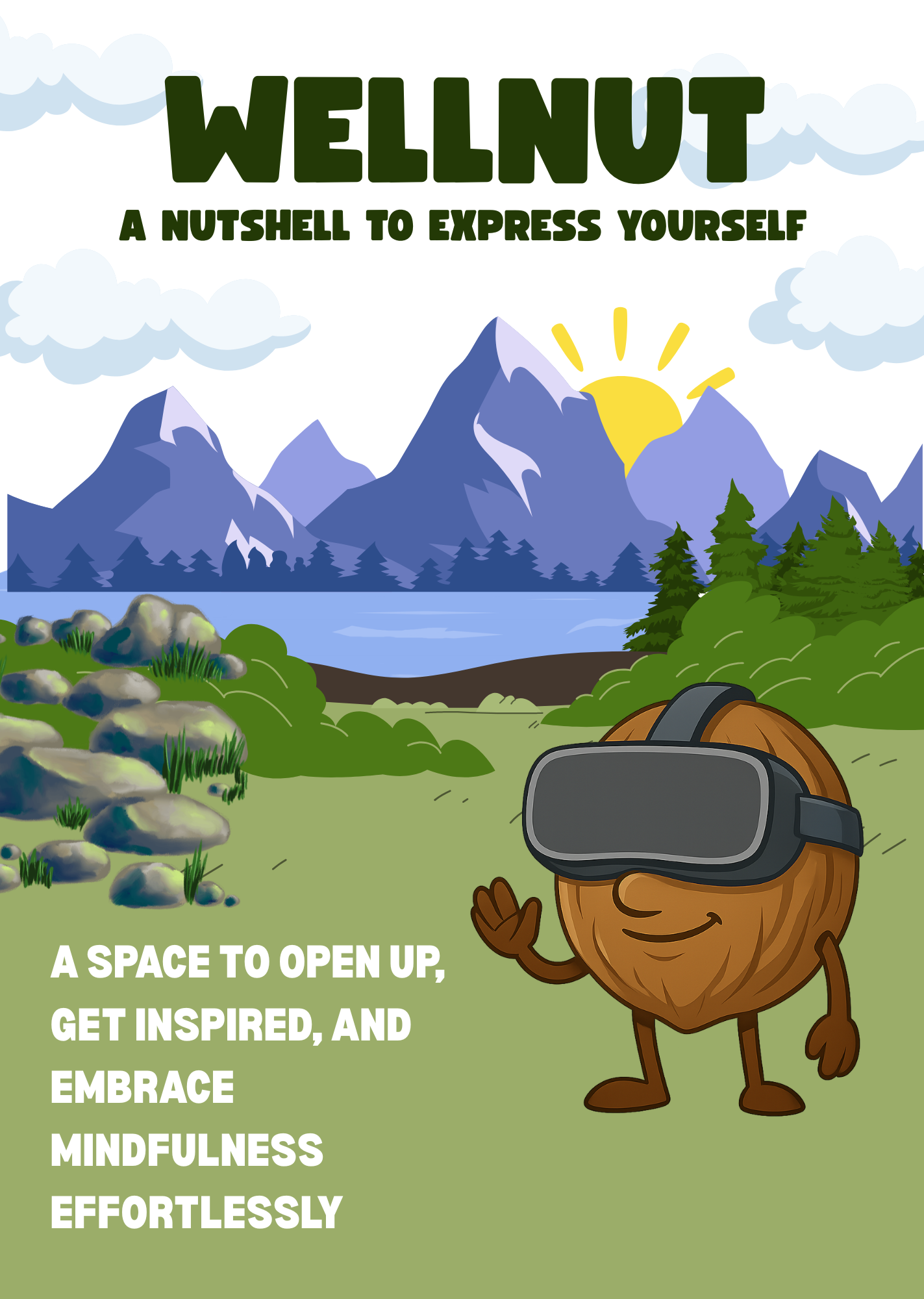
WellnutA Nutshell to Express Yourself
61% of students who need mental health support never reach out. Wellnut is a VR companion that removes every barrier - no appointment, no stigma, no waiting list. Designed from a 4-phase mixed-methods research process including a licensed therapist consultation.
Campus mental health services exist.
Students don't use them.
The problem isn't a shortage of resources - it's that stigma, time, and lack of awareness create a gap between students in distress and the support they need. Most would rather handle it alone than ask for help.
"Students wish schools could proactively check in with them - not wait for them to come forward."
How might we help students overcome barriers to mental health services by creating an alternative, judgment-free space that aligns with their preference for independence?
Four phases.
Mixed-methods throughout.
Survey data told us what students needed. A licensed therapist told us how to deliver it empathetically. Only then did we define scope and build.
- Literature review (mental health crisis)
- Existing intervention analysis
- VR + meditation evidence base
- 33 student participants surveyed
- 6 academic disciplines represented
- Mental health + VR receptiveness
- Barriers mapping + synthesis
- Licensed therapist interview
- Empathy language framework
- Ethical guardrails design
- MVP scope definition
- Avatar + environment (Unreal Engine)
- Dialogue branch design
- Jarvis Innovation Showcase
The numbers that
shaped every decision.
Rated academic life adjustment as moderately to extremely challenging
Rarely or never seek mental health support despite experiencing need
Specifically saw value in VR-based meditation for exam performance and stress
Open or maybe open to using VR-based mental wellness tools regularly
"61% of students who experience a mental health need rarely or never seek support - yet 71% said VR meditation could help them. That gap is exactly where Wellnut lives."
Designing empathy
from a therapist's playbook.
Building an avatar that feels warm and trustworthy required domain expertise beyond UX. I structured an interview with a licensed therapist specifically around the design questions we needed to answer.
"The avatar should model a healthy relationship - providing space, listening, and validation - while maintaining appropriate boundaries. It should feel like someone who cares, without replacing human connection."
Three deliberate decisions
backed by research.
VR creates a physically enclosed space - no one can see you using it. This directly addresses the stigma barrier that stops 67% of students from seeking help in public settings.
48% of students cite no time for traditional support. An avatar is available instantly - no booking, no commute, no waiting. It bridges the gap between "I need support" and "I accessed support."
Students need to feel heard before they can receive guidance. Talk meditation (conversational support) followed by traditional meditation addresses both the emotional need and the practical technique.
One polished experience
beats five unfinished ones.
With 6 months and a team new to Unreal Engine, scoping was the critical research decision. We chose depth over breadth - one exceptional, research-grounded VR experience over multiple half-finished features.
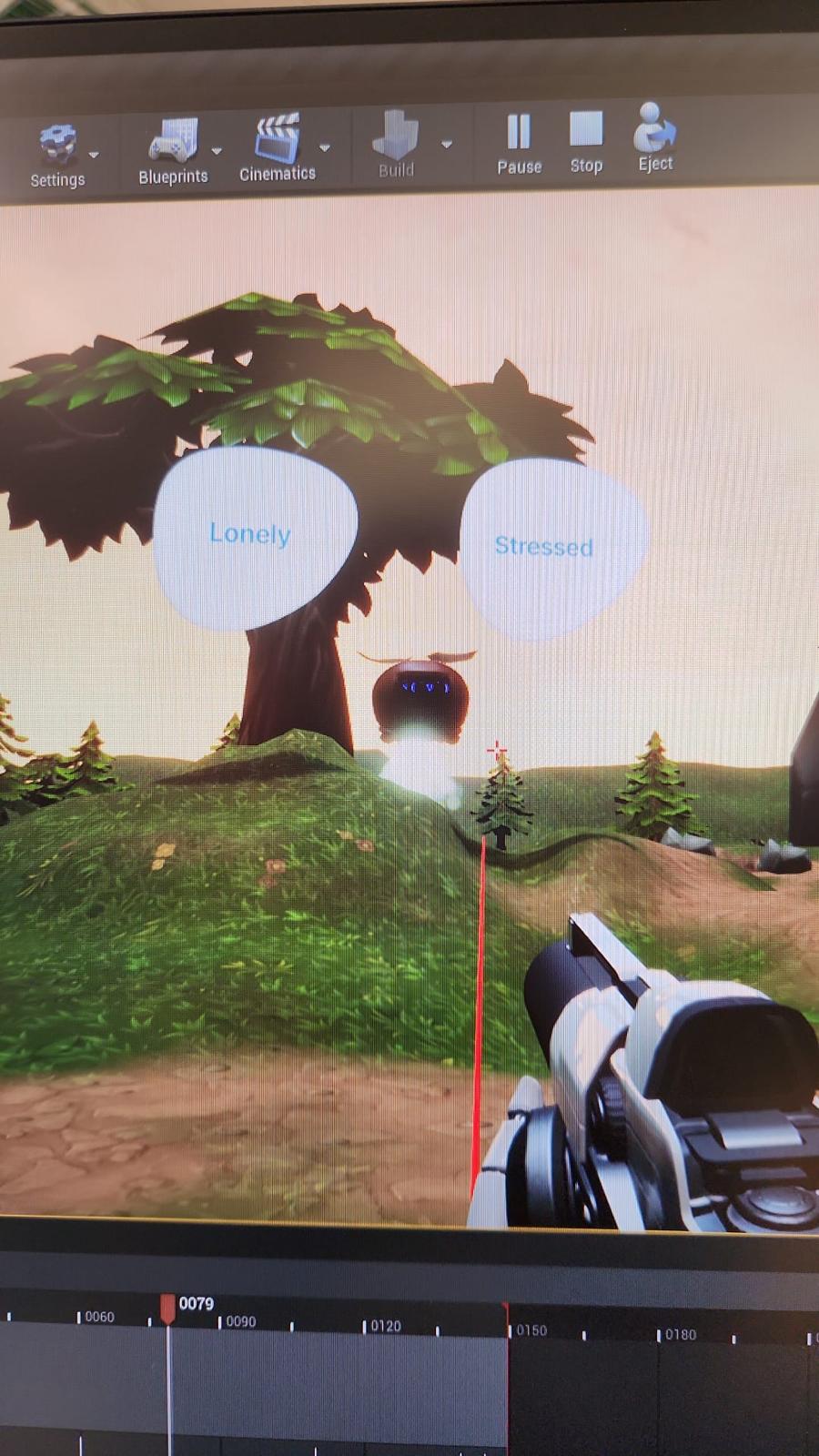
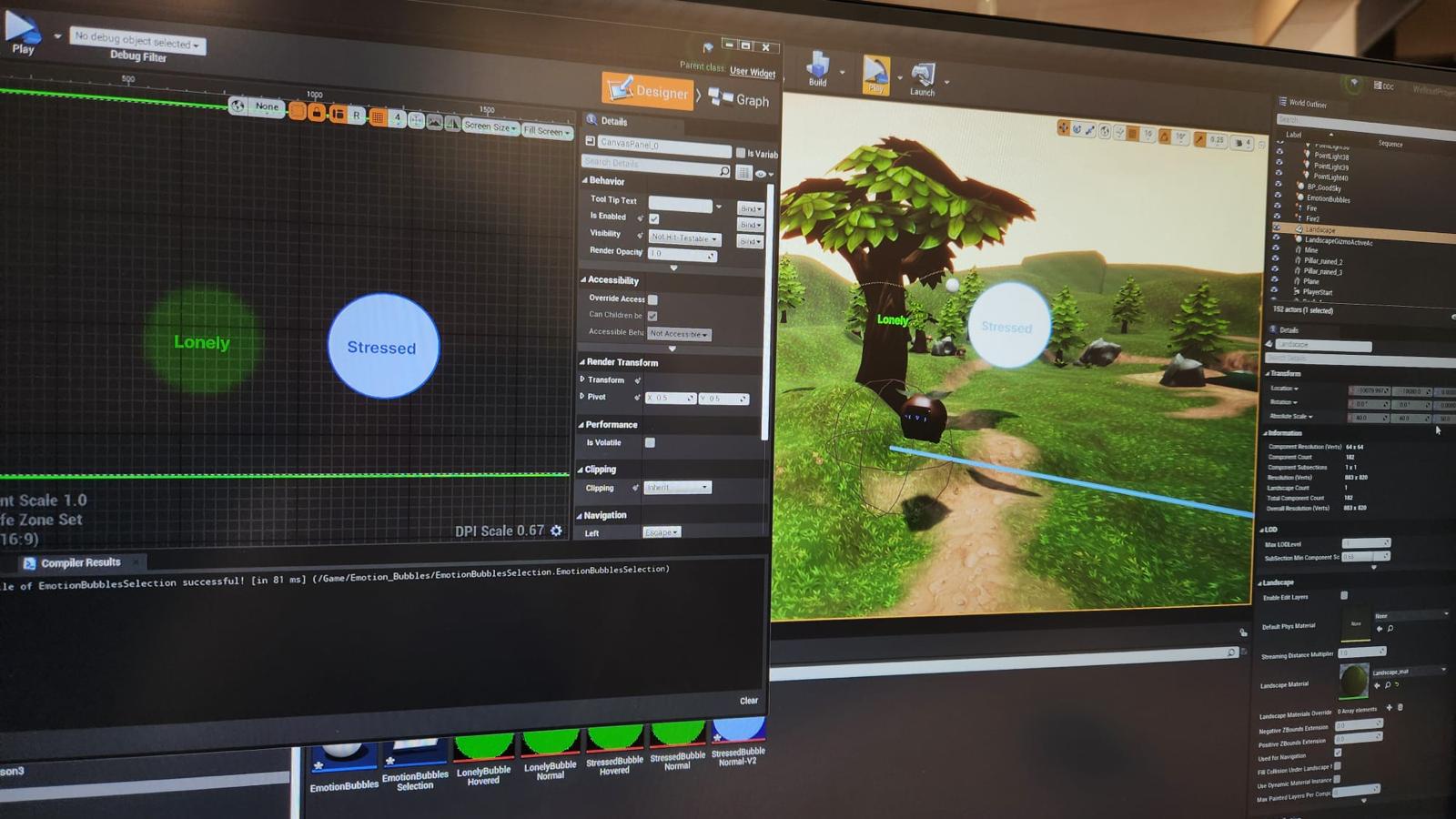
- Immersive forest environment + meditation cave (Unreal Engine)
- Avatar with 2 emotion-based dialogue branches (Lonely / Stressed)
- Guided meditation session with calming background music
- Personalised greeting (user enters name)
- Blue-green color palette for psychological calm
- Real-time AI + NLP for voice interaction
- Biometric sensor integration (heart rate, body temp)
- Multiple environment options (beach, mountains, library)
- Sentiment analysis for adaptive emotional responses
- Weekly check-in system + mood tracking dashboard
Live user feedback
at the showcase.
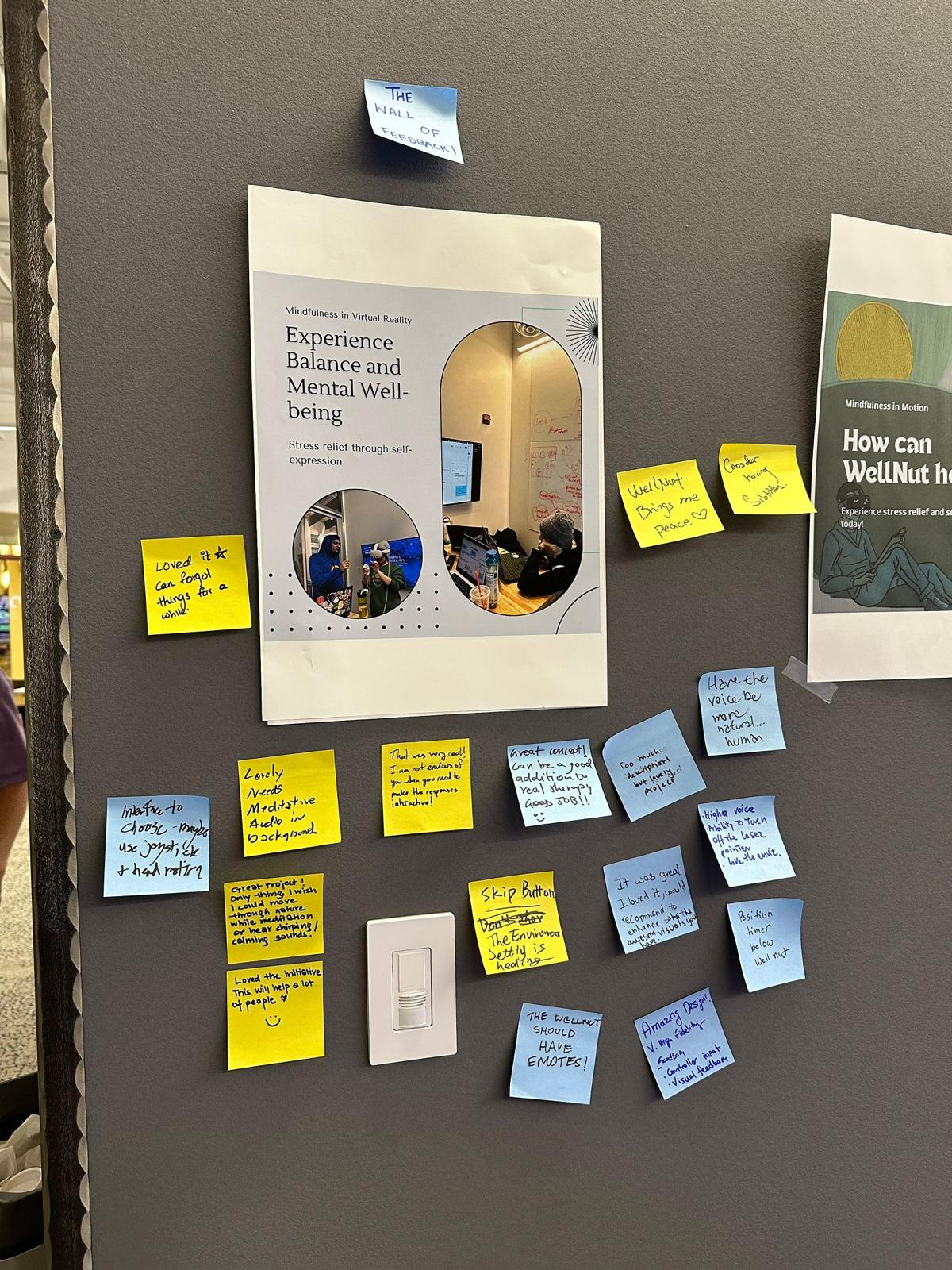
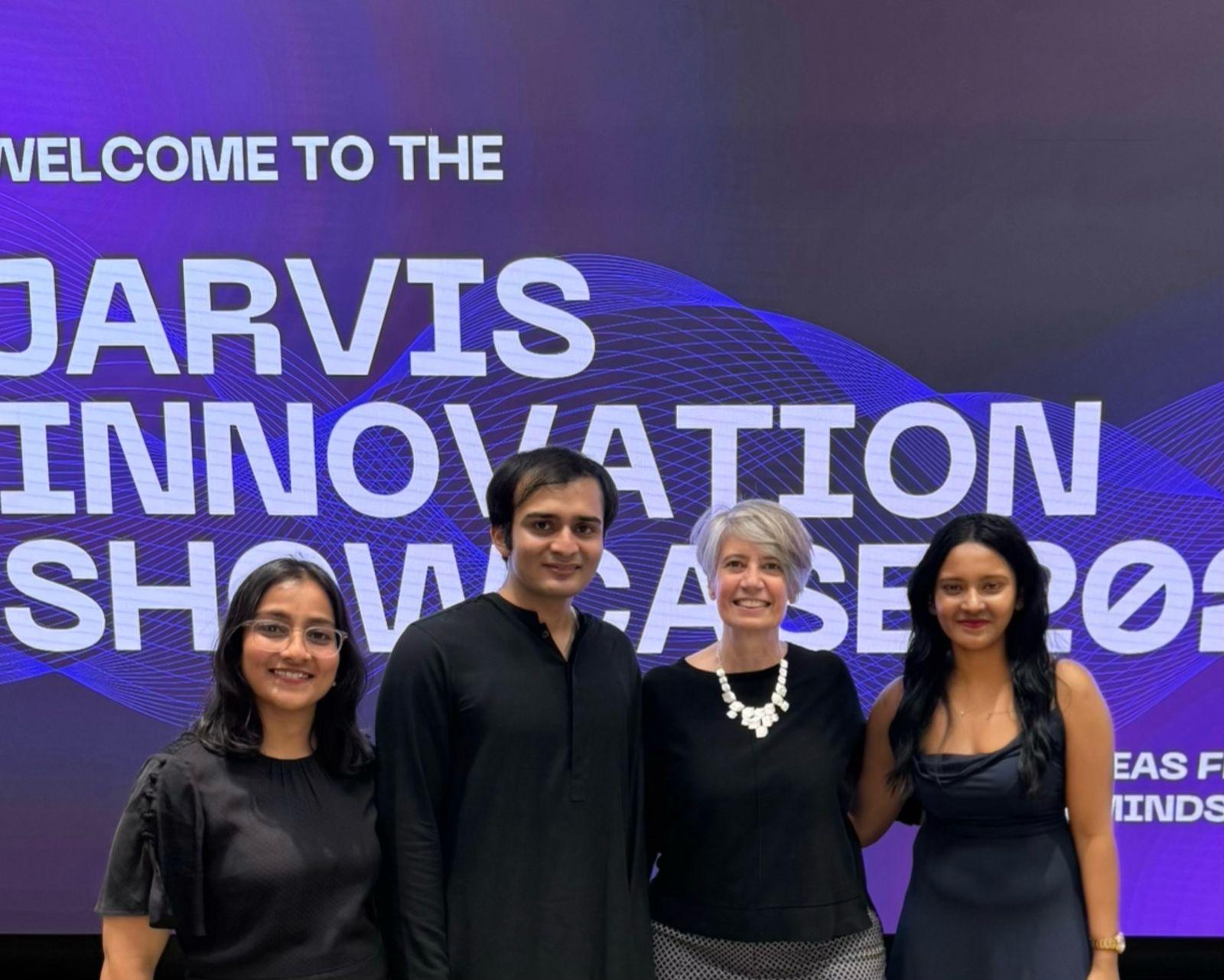
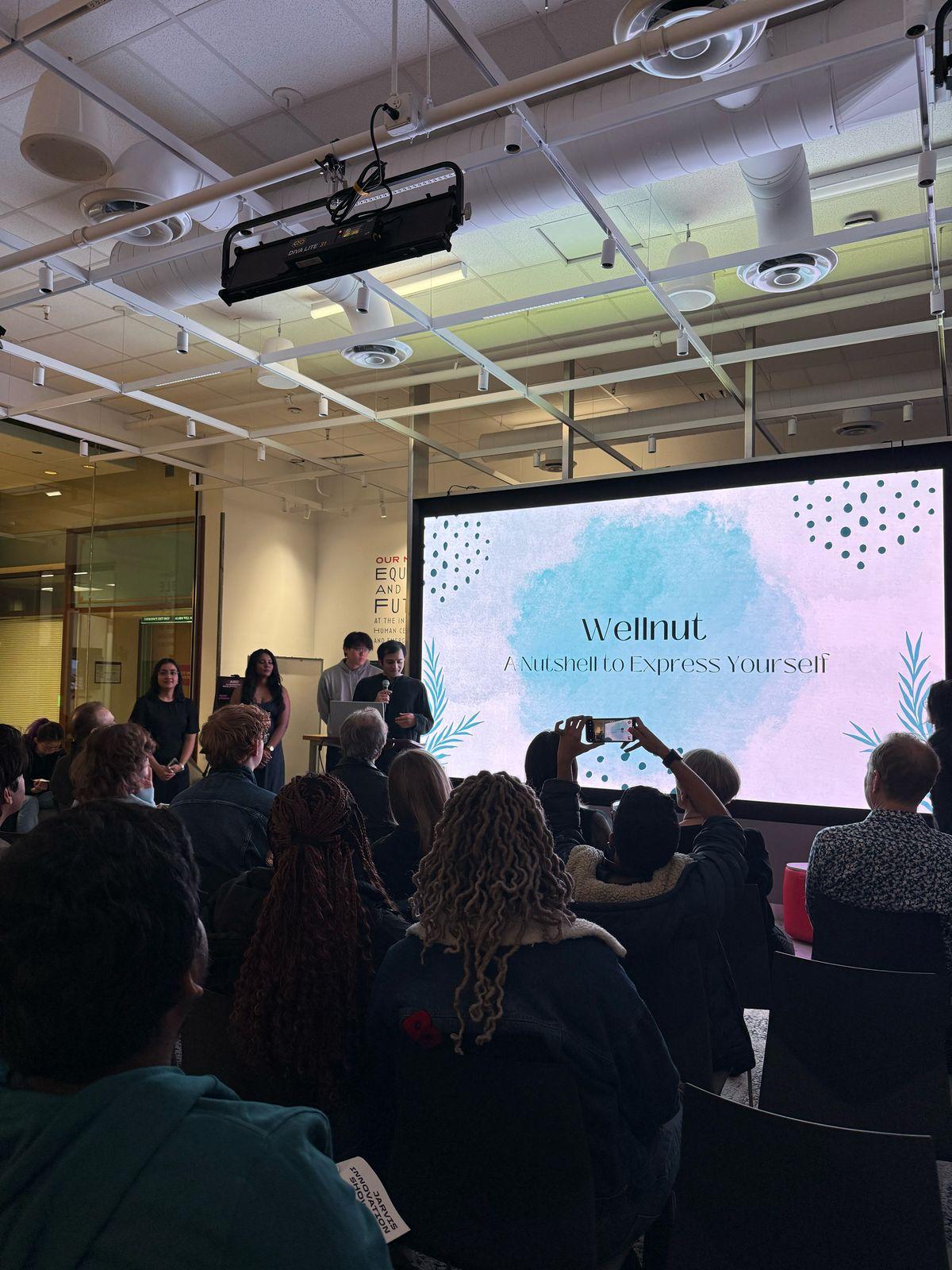
Wellnut was exhibited at the Jarvis Innovation Challenge Showcase 2025. Attendees interacted with the live prototype and left feedback on a Wall of Feedback - sticky notes captured the real response.
This feels like talking to someone who actually cares.
Attendee feedback - Jarvis Innovation Showcase, May 2025
See Wellnut
come to life.
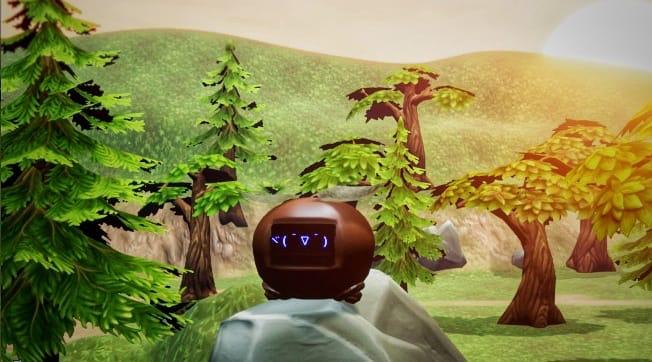
Three clips from the live VR prototype - avatar interaction, the meditation environment, and the experience in use at the showcase.
Research that built
something real.
Across 6 academic disciplines and 5 year levels - ensuring research represented the full breadth of student experience.
Of students saw value in VR meditation before the product existed - research didn't just confirm assumptions, it de-risked the build.
Delivered functional prototype on a 6-month timeline. Onboarded a team of 5 to Unreal Engine - none had prior experience.
Mixed-methods survey across 6 disciplines validated the problem and revealed 71% VR receptiveness - directly informing the platform choice before any code was written.
Structured expert interview produced a reusable empathetic dialogue framework and ethical guardrails for avatar-based mental health interactions - a contribution beyond this single project.
Prototype exhibited to students, faculty, and industry guests. Live user feedback collected via Wall of Feedback - "This feels like talking to someone who actually cares."
What Wellnut
taught me.
The survey showed what students needed. The therapist interview showed how to deliver it. Neither alone was enough - the insight came from the combination.
Choosing what not to build is as important as what to build. Scoping to a single polished experience - over five half-finished features - was itself a research-backed call.
One structured therapist interview gave us a complete empathy framework, ethical guardrails, and language patterns - months of design iteration compressed into one expert session.
We chose VR because the research pointed there - not because VR is exciting. The technology was a means to an end: private, available, judgment-free support.
Next project: AI dark pattern detection validated by 78.9% of UX practitioners - Shark Tank funded.
See Raahi →